Source for toyota vacuum pump assy for Hiace, Coaster, and Citroen
Find 30 listings for for toyota vacuum pump assy compatible with models like Hiace and Coaster. Buyers can compare specifications, prices, and certifications from verified suppliers offering single-phase options and neutral packing.
Key considerations
Products List


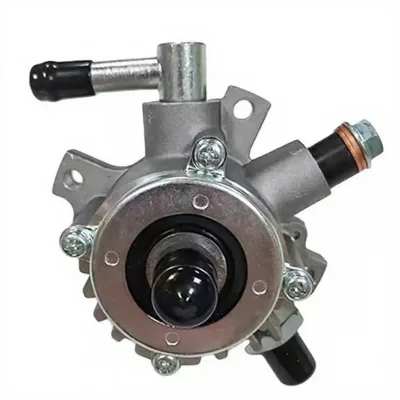


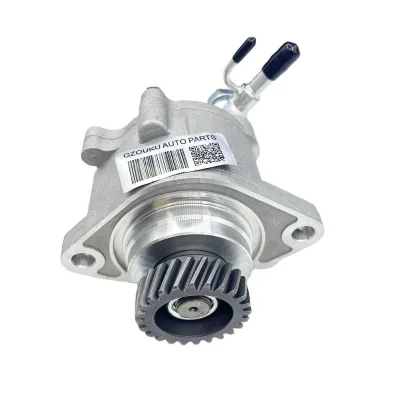

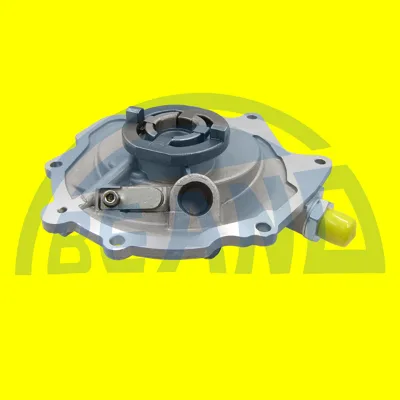


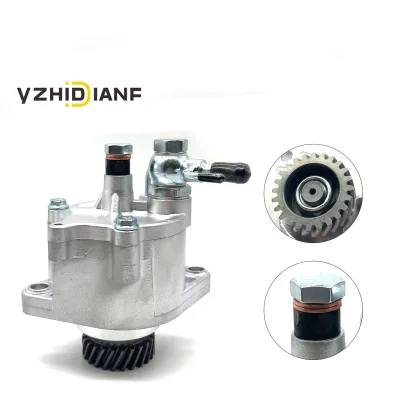


Comprehensive Sourcing Guide
Strategic Sourcing Guide for Toyota Vacuum Pump Assemblies
Understanding the Technical Landscape of Vacuum Pump Assemblies
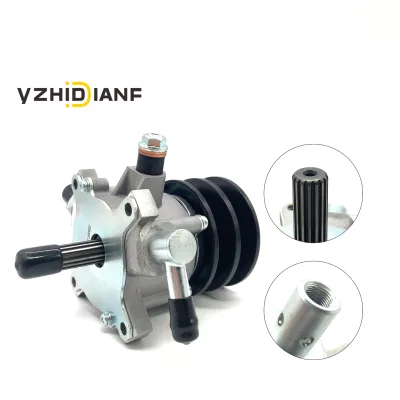
When sourcing a vacuum pump assembly specifically for Toyota applications, buyers must first navigate a complex matrix of technical specifications that vary significantly across different vehicle generations and models. The core keyword "for toyota vacuum pump assy" encompasses a broad category of components, ranging from brake assist systems to industrial vacuum applications, though the primary focus in automotive procurement is typically on the brake vacuum pump. Based on observed market data, these units are often identified by specific Original Equipment (OE) numbers, such as 29300-54220-P, 2930054220p, 29300-54180, 29300-54110, and 29300-54140. These identifiers are critical for ensuring compatibility, as the internal mechanics and mounting interfaces differ between models like the Coaster and the Hiace.
The physical dimensions of these assemblies are generally designed to match the Original Equipment (OE) specifications, ensuring a "Same as OE" fitment. This is a crucial observation for buyers, as aftermarket variations that deviate from standard dimensions can lead to installation failures or compromised braking performance. The product condition is typically listed as 100% New, indicating that the supply chain focuses on fresh manufacturing rather than remanufactured units, which may carry different warranty implications. Furthermore, the interchange part numbers, such as 7.20547.00.0 and V300076, serve as secondary verification points for buyers cross-referencing catalogs. It is essential to note that while some listings mention a reference number like Vp096, the primary verification must always align with the specific Toyota OE numbers associated with the vehicle's production year, which can range from 1982 to 2005 for certain legacy models.
Compliance and Certification Verification Protocols
In the B2B procurement of automotive components, verifying compliance and certification is not merely a formality but a fundamental risk mitigation strategy. The supply chain for vacuum pump assemblies often involves manufacturers operating under various international standards. High-confidence data indicates that compliant products in this sector frequently carry CE, TUV, and cTUVus certifications. These certifications suggest that the manufacturing processes and the final product meet specific safety and electromagnetic compatibility requirements, which is particularly relevant for components integrated into safety-critical systems like vehicle braking.
However, buyers must exercise caution when interpreting these certifications. The presence of a CE mark or TUV listing on a product listing does not automatically guarantee that every unit in a specific batch meets the exact same standard, especially when multiple suppliers are involved. The certification status should be verified against the specific batch number or serial number provided by the supplier. Additionally, the product origin plays a significant role in compliance expectations. While some data points list the origin as Japan, a major hub for automotive manufacturing, other listings indicate origins in Zhejiang, China. Both regions produce high-quality components, but the regulatory frameworks and quality control standards may differ. Buyers should request specific test reports or certification documents that correspond to the actual shipment origin to ensure that the "Standard" or "55 kg" specifications mentioned in product attributes are backed by valid documentation.
Cost Drivers and Pricing Dynamics in the Market
The pricing structure for Toyota vacuum pump assemblies is influenced by a variety of factors, including the specific model compatibility, the volume of the order, and the level of customization required. The observed price range in the market is exceptionally broad, spanning from 5 USD to 100,000 USD. This wide variance is likely due to the inclusion of different product tiers, from basic replacement units to complete industrial-grade vacuum systems or bulk industrial orders. For standard automotive replacement parts, the price is typically driven by the complexity of the internal mechanism and the rarity of the OE number.
Minimum Order Quantity (MOQ) is another significant cost driver. The market data shows an MOQ range from 1 to 400 units, with specific listings indicating MOQs of 10 or 20 pieces. Ordering at the lower end of the MOQ spectrum may result in a higher unit cost due to the fixed overheads of production and logistics. Conversely, ordering closer to the 400-unit threshold can often secure more favorable pricing tiers. Buyers should also consider the packaging requirements, as "Neutral Packing" or "Client Required" options can affect the final cost. Custom packaging or specialized labeling may incur additional fees. Furthermore, the "Time" attribute, often listed as 30, likely refers to the lead time in days, which can impact the overall cost of procurement if expedited shipping is required to meet production schedules.
Typical Applications and Vehicle Fitment Analysis
The application of vacuum pump assemblies extends beyond a single vehicle model, necessitating a detailed analysis of fitment data. The primary application for these components is the automotive sector, specifically for brake systems. The data highlights specific fitment for brands such as Toyota, Citroen, and Peugeot, though the core focus remains on Toyota models. The fitment data explicitly mentions compatibility with the Toyota Coaster and Hiace models, with production years ranging from 1982 to 2005. This indicates that the supply chain serves a mix of legacy and potentially refurbished vehicle fleets, which is common in commercial transport sectors.
For buyers, understanding the interchangeability of these parts is vital. The reference numbers and OE numbers provided serve as the primary keys for matching the pump to the vehicle. For instance, the OE number 4581586AA is associated with Citroen and Peugeot applications, while 29300-54220-P is specific to Toyota. It is imperative that buyers do not assume interchangeability between these distinct part numbers without rigorous verification. The "Car Fitment" attribute often lists "Other" or specific brand names, which requires the buyer to cross-reference the vehicle's VIN and production year to ensure the vacuum pump assembly will function correctly within the specific hydraulic or pneumatic system of the target vehicle. Misapplication can lead to system failure, making the verification of the "Car Model" and "Year" attributes a critical step in the sourcing process.
Supplier Evaluation and Operational Capabilities
Evaluating potential suppliers requires a deep dive into their operational capabilities, particularly regarding customization and production capacity. The market data confirms that customization is available for these vacuum pump assemblies, allowing buyers to request specific modifications to meet unique fleet requirements. This flexibility is a significant advantage for large-scale procurement, as it enables the adaptation of standard parts to specific vehicle configurations. However, buyers must verify the extent of this customization and the associated lead times, which are listed as 30 days in some contexts.
The origin of the product is another key factor in supplier evaluation. While some products originate from Japan, known for its stringent quality control, others are sourced from Zhejiang, China, a major manufacturing hub. Both locations have established reputations in the automotive parts industry, but the buyer must assess the specific supplier's track record in their respective regions. The condition of the product, consistently listed as "100% New," suggests that suppliers are focused on new manufacturing rather than remanufacturing. Additionally, the warranty period, often cited as 1 Year, provides a baseline for quality assurance. Buyers should seek suppliers who can provide clear warranty terms and support for the specific batch of products being purchased, ensuring that the "High-Quality" claims are backed by tangible service agreements.
Quality Control and Long-Term Procurement Considerations
Ensuring the long-term reliability of vacuum pump assemblies requires a robust quality control (QC) framework. The "Quality" attribute is frequently described as "High-Quality," but this is a subjective term that must be validated through objective measures. Buyers should request detailed quality control reports that include stress testing, material composition analysis, and performance validation against the "Standard" specifications mentioned in the product data. The "Standard" attribute, sometimes listed as "55 kg," may refer to a specific load-bearing capacity or weight standard, which should be verified against the technical requirements of the vehicle.
Long-term procurement considerations also involve the stability of the supply chain. The "Time" attribute of 30 days suggests a standard lead time, but buyers should plan for potential delays, especially when ordering in large quantities or during peak seasons. The "Packing" attribute, which can range from "Neutral" to "Client Required," impacts the logistics and storage of the components. Proper packaging is essential to prevent damage during transit, which could compromise the "100% New" condition of the product. Furthermore, the availability of spare parts and the consistency of the supply chain are critical for maintaining fleet operations. Buyers should establish long-term relationships with suppliers who can guarantee consistent quality and timely delivery, ensuring that the vacuum pump assemblies remain a reliable component of the vehicle's braking system over the long term.
Finalizing the Procurement Strategy
In conclusion, sourcing a Toyota vacuum pump assembly requires a meticulous approach that balances technical specifications, compliance verification, and supplier evaluation. The wide range of OE numbers, from 29300-54220-P to 29300-54180, underscores the need for precise identification to ensure compatibility with specific models like the Coaster and Hiace. Buyers must navigate the complex landscape of certifications, such as CE and TUV, while being mindful of the product origin and the associated quality standards. The cost drivers, including MOQ and lead time, play a significant role in the final procurement decision, and understanding these factors can help optimize the budget. By focusing on high-quality, 100% new units with clear warranty terms and robust quality control measures, buyers can secure reliable vacuum pump assemblies that meet the demanding requirements of automotive applications. The availability of customization options further enhances the value proposition, allowing for tailored solutions that fit specific fleet needs. Ultimately, a disciplined, evidence-based approach to sourcing will ensure the acquisition of components that deliver performance, safety, and longevity.
FAQs
What certifications do for toyota vacuum pump assy units have?
These units typically carry CE, TUV, and cTUVus certifications. Buyers should verify that the specific batch matches these standards before purchase.
Which vehicle models fit the for toyota vacuum pump assy?
The assembly fits Toyota Coaster and Hiace models produced between 1982 and 2005. It also supports Citroen and Peugeot vehicles with specific OE numbers.
How long is the lead time for for toyota vacuum pump assy orders?
The standard lead time is 30 days. Expedited shipping may be required if the project schedule cannot accommodate this duration.
Can I customize the for toyota vacuum pump assy packaging?
Yes, customization is available for packaging requirements. Options include neutral packing or client-specific labeling upon negotiation.
What is the minimum order quantity for for toyota vacuum pump assy?
The minimum order quantity ranges from 1 to 400 units depending on the supplier. Specific listings often require 10 or 20 pieces as a baseline.
Where are for toyota vacuum pump assy units manufactured?
Units originate from Japan and Zhejiang, China. Buyers must confirm the specific origin to ensure compliance with local quality standards.
What warranty is provided for for toyota vacuum pump assy?
A one-year manufacturer warranty is standard for these new units. This covers defects in material and workmanship for the specified period.